
Summer is prime time for backyard barbecues, family gatherings, and—if you’re like many homeowners—a good old-fashioned deck makeover. The warmer weather seems like the perfect excuse to power wash, stain, and seal your deck. But here’s the thing: not everything you’ve heard about deck restoration in summer is actually true.
From when to seal to whether you can handle repairs yourself, there are a lot of well-meaning myths floating around that could end up doing more harm than good. Some may cause your deck to look patchy, peel prematurely, or even suffer long-term damage—especially if you live in areas with unpredictable weather like Chicago.
In this post, we’re setting the record straight. We’ll break down the most common summer deck myths, share what the pros want you to know, and help you understand which projects are safe to tackle—and which ones are better left to experts. Whether you’re planning basic upkeep or considering full-scale deck restoration, you’ll walk away with tips you can trust.
Let’s make sure your deck looks great and lasts for seasons to come.
Myth #1: Summer Is Always the Best Time for Deck Restoration
It’s easy to assume that summer is the perfect season for all things home improvement—especially when it comes to your outdoor spaces. The sun is shining, the weather’s warm, and your schedule might finally be open for some long-overdue projects. So naturally, many homeowners think summer is the best time for deck restoration. But that’s not always the case.
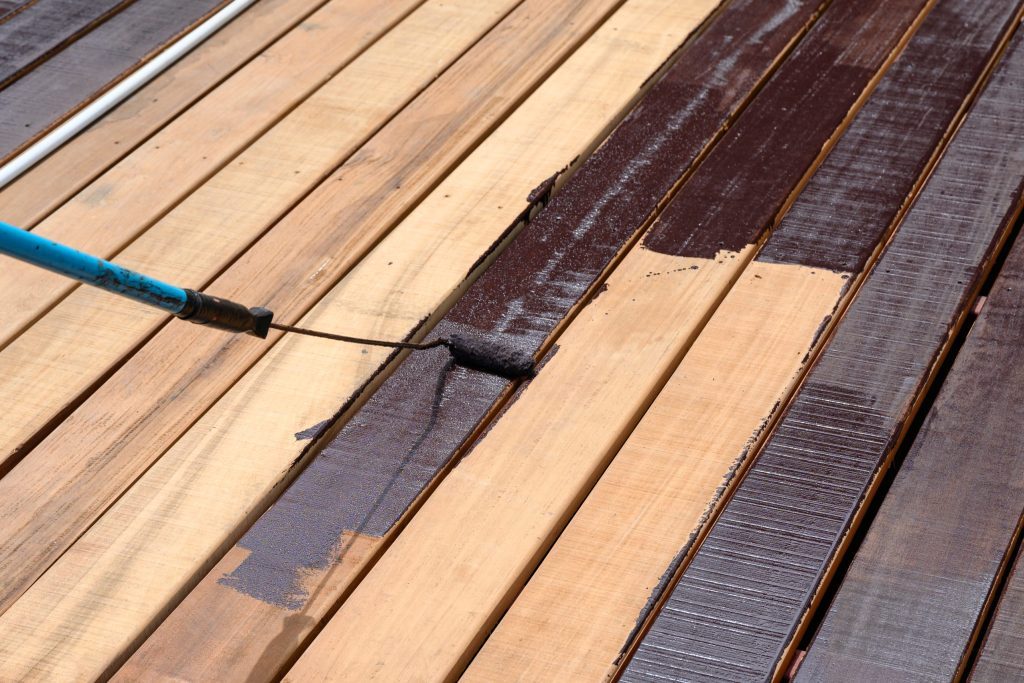
The truth is, summer can actually be too hot for certain parts of the restoration process—especially when it comes to sealing or staining. If the weather is too hot or the sun is beating down directly on the deck, products like sealers and stains can dry too quickly, preventing proper absorption. That can lead to streaks, uneven color, or coatings that peel well before their time.
High humidity is another issue. If there’s too much moisture in the air or on the surface of the wood, your sealer may not adhere correctly—again, leading to disappointing (and sometimes costly) results.
That doesn’t mean summer is off-limits. Many deck sealing services plan their projects during early mornings or late afternoons to avoid the harshest conditions. Others may monitor weather forecasts closely to find the perfect window—usually dry days with moderate temperatures and lower humidity.
So while summer can be a good time for deck restoration, it’s not a guaranteed green light. Timing matters more than the season, and getting it wrong can cost you time, money, and curb appeal.
Next up: Let’s tackle another common myth—why not all deck projects are great DIY candidates.
Myth #2: You Don’t Need Professional Help—It’s Just Wood, Right?
We get it—DIY is tempting. With all the tutorials and weekend warrior videos out there, it’s easy to think you can handle any home project with a little elbow grease and a trip to the hardware store. But when it comes to serious deck restoration, thinking “it’s just wood” can lead to costly mistakes.
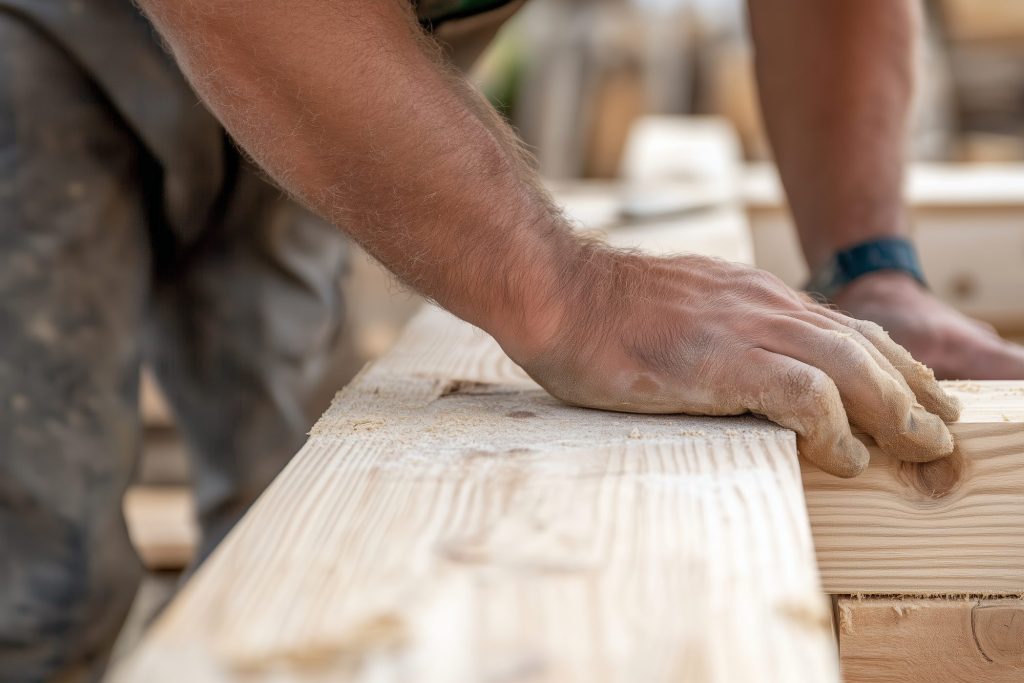
Many homeowners start out with good intentions: a pressure washer, some stain, maybe a borrowed sander. But without knowing what kind of wood you’re dealing with, how to properly prep the surface, or what signs of structural damage to look for, you could end up doing more harm than good. Uneven sanding, over-washing, or using the wrong products can shorten your deck’s lifespan—or create a safety hazard.
That’s where a trusted deck repair company comes in. Professionals don’t just refinish the surface; they assess the entire structure for hidden issues like wood rot, loose boards, sinking posts, or compromised railings. These aren’t just cosmetic problems—they affect safety and long-term durability.
Plus, pros have access to commercial-grade tools and materials that deliver smoother, longer-lasting results than most DIY kits. They also know how to work with the weather, different wood types, and local codes—which is especially important if you live in a climate with extreme seasons like Chicago.
In short, DIY has its place, but if your deck is showing signs of wear beyond surface-level discoloration, it’s time to consult a deck repair company. It could save you time, stress, and a major headache down the road.
Up next: We’ll bust the myth that all deck sealers are the same—and why choosing the wrong one can backfire fast.
Myth #3: All Deck Sealers Work the Same
If you’ve ever walked down the paint aisle at your local hardware store, you know how overwhelming it can be. Labels like “waterproof,” “UV protection,” and “all-in-one” promise big results—but not all deck sealers are created equal. One of the most common deck restoration myths is that you can grab any product off the shelf and expect professional results. Unfortunately, that’s rarely the case.
The type of sealer you choose plays a huge role in how well your deck holds up. Water-based sealers, for example, are more eco-friendly and dry faster, but they may not penetrate as deeply into older or weathered wood. Oil-based options offer richer protection and a longer-lasting finish, but they take longer to cure and can be tricky to apply in hot or humid conditions.
Then there are hybrid sealers that attempt to offer the best of both worlds—but they’re not always the best fit for every deck. What works well for a newly built cedar deck might not be ideal for an aging pressure-treated one.
This is where deck sealing services can make all the difference. Professionals assess your specific wood type, the current condition of your deck, and the local climate to choose the right product—and apply it correctly. They also know how to avoid common pitfalls, like over-applying sealant or skipping crucial prep steps that can lead to peeling or flaking down the line.
So no, not all deck sealers are the same—and choosing the wrong one can mean redoing the job much sooner than you’d planned.
Coming up: Just because your deck “looks fine” doesn’t mean it’s in the clear. Let’s talk about the signs you shouldn’t ignore.
Myth #4: If It Looks Fine, It Doesn’t Need Repair
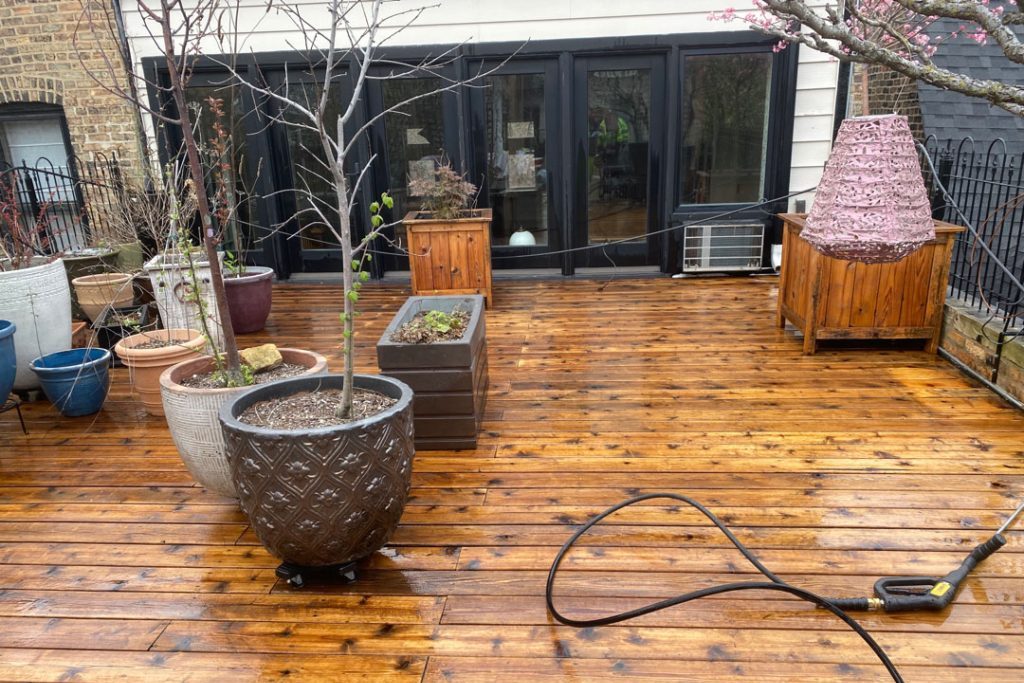
Here’s a common trap: your deck looks pretty good from the back door—no glaring cracks, no obvious warping—so it must be in great shape, right? Not necessarily. One of the most dangerous myths in deck restoration is assuming that if everything looks okay on the surface, there’s nothing to worry about.
In reality, many serious deck issues start where you can’t see them—underneath the boards, behind the railings, or within the structure itself. Wood rot, moisture damage, and rusted fasteners often go unnoticed until they cause real problems. A deck might feel solid underfoot today and become a safety hazard tomorrow.
This is especially true in places like Chicago, where decks go through intense freeze-thaw cycles, heavy rains, and long winters. These conditions speed up wear and tear, even on decks that appear visually sound. That’s why local homeowners should consider a seasonal inspection from a trusted deck repair Chicago specialist who understands the unique challenges of Midwestern weather.
These pros know what to look for—loose railings, soft spots, rusted brackets, and signs of rot that could compromise your deck’s safety. Catching issues early not only protects your home and family, it can save you from a much larger (and more expensive) repair down the road.
The bottom line? Don’t trust looks alone. If your deck is a few years old—or if it’s been through a tough winter—it’s smart to get a professional opinion before summer wear and tear sets in.
What You Can Safely Do in Summer: Maintenance Tips that Actually Help
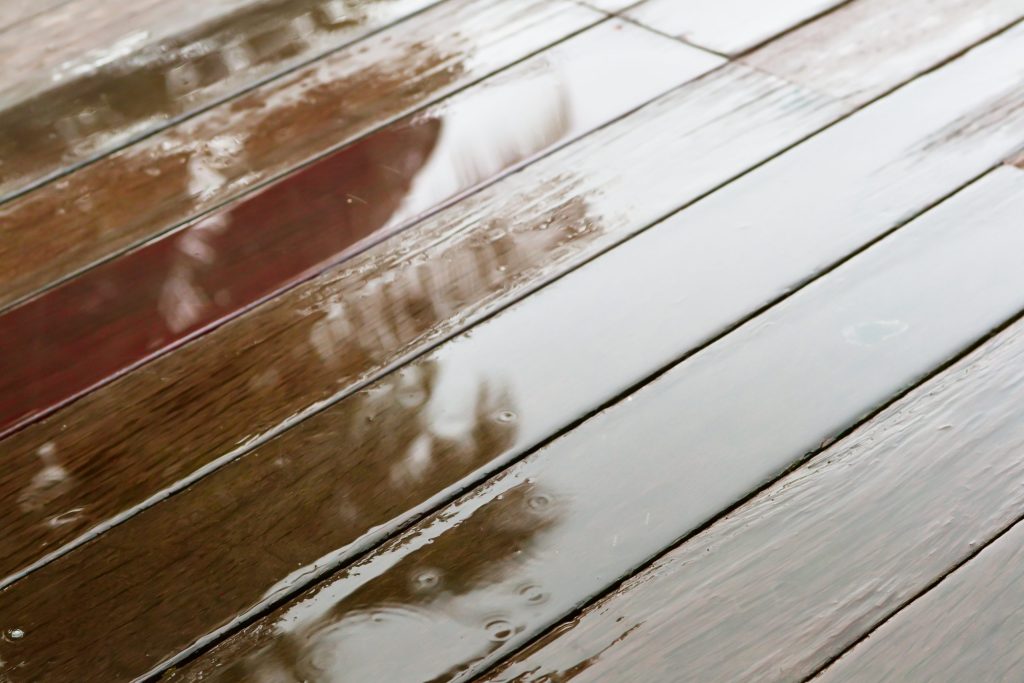
While summer isn’t always the perfect time for a full deck restoration, there are plenty of smart, safe things you can do to keep your deck in great shape—and even extend the life of any past restoration work.
For starters, regular cleaning goes a long way. Use a broom or leaf blower to keep debris from piling up between boards, where it can trap moisture and promote rot. A gentle wash with a hose or a low-pressure setting on your pressure washer can also help remove dirt, mildew, and surface grime without damaging the wood.
Summer is also a great time to inspect your deck closely. Look for raised nails, cracked boards, or wobbly railings. These may seem like small issues now, but left unchecked, they can lead to bigger (and costlier) problems. If you catch them early, you may be able to handle minor fixes yourself—or schedule a professional deck restoration before they get worse.
And if your deck was already sealed earlier in the season or in a previous year, a light refresher coat may be appropriate—if the conditions are right. That means moderate temperatures, low humidity, and no rain in the immediate forecast. Always test a small area before applying anything across the full surface.
In short, summer can be a great time for routine deck care and minor touch-ups—just avoid the big jobs during heat waves or rainy stretches, and don’t hesitate to call in the pros when things go beyond surface-level.
Also read: Deck Repair in Chicago: What to Know Before End-of-Season Rains Begin
Deck Restoration Doesn’t Have to Be a Guessing Game
There’s a lot of misinformation out there when it comes to deck restoration, especially during the summer months. While sunny skies might seem like a green light to start staining or sealing, the truth is—it’s all about timing, prep, and knowing what your deck really needs.
We’ve covered some of the most common myths: summer isn’t always ideal, not all projects are DIY-friendly, sealers aren’t one-size-fits-all, and a deck that “looks fine” might still need attention. The good news? With the right knowledge—and the help of trusted professionals when needed—you can restore and maintain your deck without the guesswork.
Whether you’re just cleaning things up for the season or considering a full restoration, start with a solid understanding of your deck’s condition. And if you’re unsure, reach out to a local deck repair company that can inspect your space and guide you toward the best next steps.
Looking for help in the Chicago area? Explore trusted deck repair Chicago services or browse our related tips on sealing, cleaning, and protecting your deck all year long. A safe, great-looking deck is one of the best upgrades you can make—and we’re here to help you get it right.